Premium/import formulas
hipp dutch stage 1
Draft · Unpublished

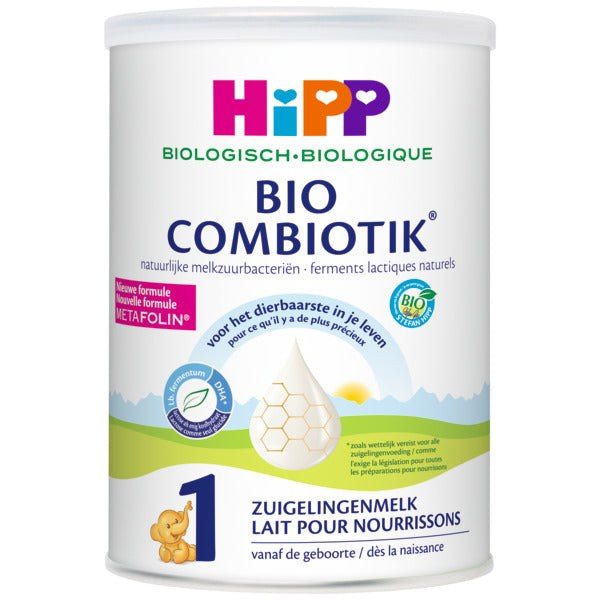
| Product | hipp dutch stage 1 |
|---|---|
| Maker | — |
| Category | Premium/import formulas |
| Size / format | 800 g box. |
| Observed price | ~$38-48 / 800 g (rough, not verified) |
| Price source / date | US importers/resellers |
| Price confidence | unverified |
| Recall status | No US recall found. |
If European formula has a default answer in American parent groups, it's the Dutch HiPP box. Ask "which import for a gassy baby?" in any forum and HiPP Dutch shows up before you've finished typing the question. That kind of default status deserves a closer look — defaults get trusted, and trusted things should be checked.
What it is: HiPP's Dutch-market organic infant formula, 0–6 months, and one of the most-imported European formulas in the US — via resellers like BabyMercato and Organic's Best, not through official US distribution. An 800 g box of organic skimmed-milk-based powder with lactose as the primary carbohydrate, DHA, ARA, and GOS prebiotics, no starch in Stage 1. The DHA source can be algae or fish depending on the production run, so the label — not the reseller's website — is the authority.
What's genuinely good: the reputation exists for reasons. Parent forums rank it as the go-to "gentle European" import for fussy, gassy babies, and owners praise taste acceptance — babies take it without a fight — and the short, readable ingredient list. For a parent who's tried two American formulas and is now doom-scrolling at midnight, "simple ingredients, widely loved, babies drink it" is a genuinely comforting combination. It's also the import with the deepest bench of community experience behind it; you're not beta-testing.
What's actually wrong: the counter-theme in the forums is loud and worth hearing — many parents report no difference versus US formulas, and object to the price, the shipping delays, and the EU prep instructions in milliliters and Celsius. That last one sounds trivial until you're half-asleep converting temperatures with a screaming infant. The price is genuinely fuzzy: no firm figure was captured, with a rough historical reseller range of ~$38–48 per 800 g marked UNVERIFIED — so the premium over domestic formula is real but unquantified, which is an uncomfortable way to spend money. Two verification flags: reseller copy sometimes claims a "Consumer Reports perfect score," which the research could not verify — treat it as marketing until proven otherwise. And the standard import caveats apply double here: not on the FDA-registered domestic pathway, EU labeling, and recall/support handling runs through whichever reseller you bought from. Vet the importer before you buy, and check for dents and expiry on arrival.
The social pulse: HiPP Dutch is the establishment candidate of the import world — the one nervous first-time import parents get recommended, the one with the longest forum history. That creates a particular dynamic: enthusiastic recommendations from parents whose babies did well, met by a growing chorus of "we switched back to Kirkland and nothing changed" posts. The debate is really about whether "European" is a meaningful quality signal or a vibe — and the vibe is strong with this one. No hype flags surfaced; this is organic community momentum built over years, which is more trustworthy than ad spend but still not the same as evidence.
Value call: with the price itself UNVERIFIED, the value call has to be structural. You're paying an import premium — reseller markup plus international shipping — over domestic formulas that are FDA-registered and available at midnight from Walmart. If your baby is thriving on a US formula, there is no documented reason to pay it. If you've tried the domestic options and your baby is still miserable, the premium buys you the most-community-tested import in the game, which is a rational gamble — just make it with open eyes about the price and the logistics.
The import for parents who've already decided imports are better — and for the merely curious, the store brand is still sitting right there.
Sources
No standalone source URLs with retrieval records were captured for this entry — sources are cited inside the research text above.