Premium/import formulas
Kabrita Goat Milk Toddler Formula (Toddler Nutrition, 12-24 months) — Kabrita USA (Dutch dairy, 75+ years)
Draft · Unpublished
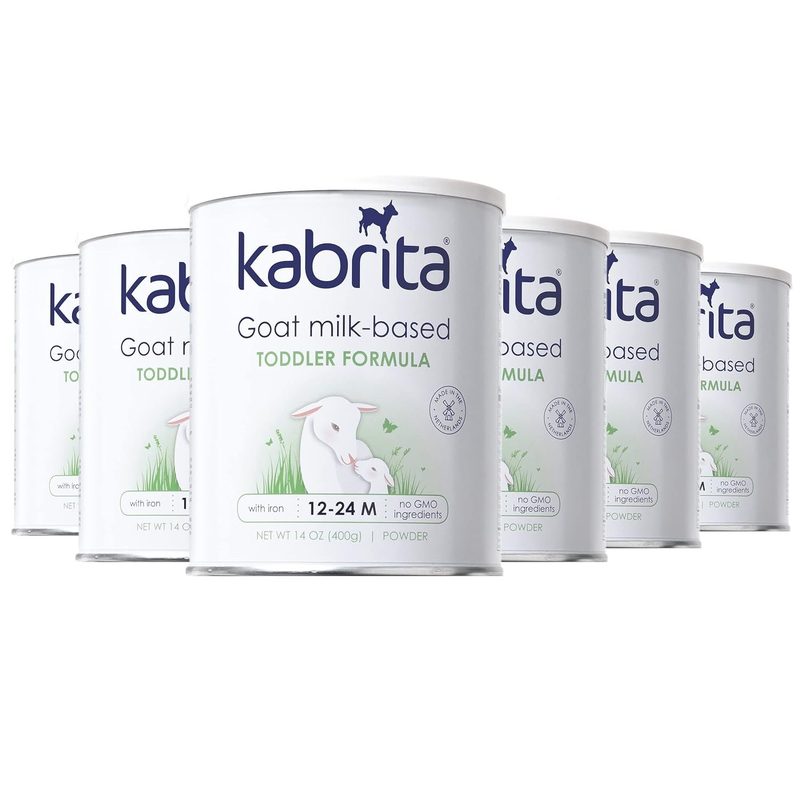
| Product | Kabrita Goat Milk Toddler Formula (Toddler Nutrition, 12-24 months) |
|---|---|
| Maker | Kabrita USA (Dutch dairy, 75+ years) |
| Category | Premium/import formulas |
| Size / format | 12-24 months. Sold in multi-can packs (2-pack, 28 oz cans on kabrita.com). |
| Observed price | $81.99 (2-pack) |
| Price source / date | kabrita.com (maker direct) · 2026-09-22 |
| Price confidence | indexed |
| Recall status | No exact-model recall found in consulted sources for window 2023-09-22 to 2026-09-22. CPSC database not directly queryable via available tools — status is unchecked, never cleared. |
Here's the thing nobody tells you about the European goat-formula boom: most of those tins can't legally be sold as formula in the US. Kabrita is the exception that matters. It's the goat-milk brand built for the American market from the start — Dutch-made, FDA-compliant, sold direct at kabrita.com — and its toddler formula carries a 4.8-star average across nearly 2,500 verified reviews. If you want goat milk nutrition for your 12-to-24-month-old without import-shop roulette, this is the default answer.
The product is a goat milk-based toddler drink: Dutch goat milk proteins that form softer curds than cow's milk, DHA and ARA for brain and eye development, prebiotics, choline, and a fat blend built around beta-palmitate (OPO fats with high SN-2 palmitate) that mimics the structure of breast milk fats. Lactose is the primary carbohydrate — no corn syrup, no maltodextrin — with a 50:50 whey-to-casein ratio, no GMOs, no antibiotics, no growth hormones. Kabrita owns its full supply chain, runs 2,500+ quality checks per batch, and has a real pediatrician (Dr. Ari Brown of Baby 411 fame) as chief medical advisor. That's a credibility stack the import brands can't match stateside.
What's genuinely good is the digestion story at toddler scale. The OPO fat blend is specifically associated with softer stools, less constipation, and better fat and calcium absorption — and constipation is the number-two toddler complaint after picky eating. Parents of cow-milk-sensitive toddlers (not allergic — sensitive) report the switch working where cow's milk caused trouble. And the practical win: it's on kabrita.com with subscriptions, bundles, and a 30-day money-back guarantee on intro offers. No reseller markups, no EU date formats, no wondering if the tin sat in a hot warehouse.
What's actually wrong requires the honest paragraph first, stated verbatim: AAP Oct 2023: toddler milks generally unnecessary and potentially harmful. Most toddlers getting a varied diet and regular milk (or appropriate alternatives) don't need a $41-a-can toddler drink. That's not a Kabrita-specific problem — it's a category problem — but it means this purchase should be a deliberate choice (sensitivity, poor dairy tolerance, pediatrician guidance), not a default. Beyond that: it's still premium-priced at ~$41 a can equivalent, the review corpus lives mostly on Kabrita's own site (verified, but on-site), and the older third-party review I found was a sponsored MomsMeet sampling — marketing-adjacent, not independent. And the boundary: goat milk cross-reacts with cow milk protein, so confirmed cow's milk protein allergy rules this out.
The social pulse is mainstream-American-parent rather than import-enthusiast. Kabrita's community is the parents who wanted the goat-milk story without the gray market — and the brand's heavyweight marketing (75+ years of Dutch dairy expertise, "#1 goat milk formula worldwide") gives them permission. It's less debated than the imports because there's less to debate: it works, it's available, it's expensive.
The value call: $81.99 for a 2-pack (~$41/can) is import-tier pricing for a domestic-purchase experience. Against Kendamil's toddler drink ($27.99 at Target), Kabrita costs more for the goat-milk positioning and the OPO fat blend. Against regular whole cow's milk — which the AAP would prefer for most toddlers — it's an order of magnitude more expensive. The value only computes if your toddler genuinely does better on goat milk than cow's milk.
Skip it if your toddler drinks cow's milk happily (the AAP agrees with the cow), or if CMPA is diagnosed. Buy it if your 12-to-24-month-old is sensitive to cow's milk and you want the most credible, most available goat option in the US — ideally with your pediatrician's blessing. The honest tradeoff: the best-executed goat toddler milk in America, for a nutritional job most toddlers don't need done.