Kids' furniture & playroom gear
Leander Classic Junior Chair — Leander
Draft · Unpublished
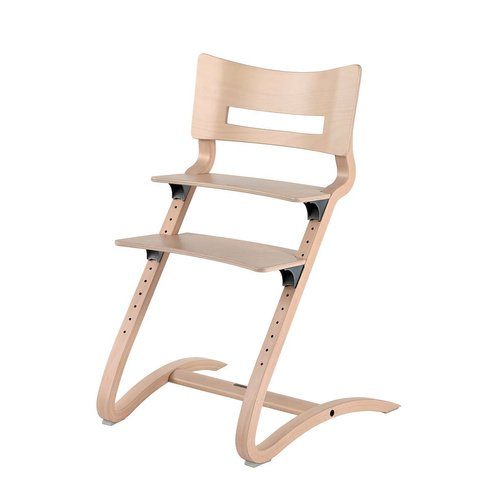
| Product | Leander Classic Junior Chair |
|---|---|
| Maker | Leander |
| Category | Kids' furniture & playroom gear |
| Size / format | H 83 x W 55 x D 56 cm; 5.1 kg; carrying capacity 125 kg. Recommended use from 6 months as high chair; junior/adult configuration supported by maker. |
| Observed price | UNVERIFIED (US) |
| Price source / date | UNVERIFIED — AU $399.95–$449.95 AUD and EU €244 listings are not US-comparable · 2026-09-22 |
| Price confidence | indexed |
| Recall status | No exact-model recall found in consulted sources for window 2023-09-22 to 2026-09-22. CPSC database not directly queryable via available tools — status is unchecked, never cleared. |
Here's a naming clarification that matters: Leander doesn't really sell a "junior chair" as a separate product. The Leander Classic is one chair — a molded-beech Danish high chair — whose backrest, seat, and footplate all adjust so it serves from 6 months old straight into adulthood. The "junior chair" is simply the Classic with the baby accessories (safety bar, tray) removed. Same sculptural beech frame, same 125-kilogram carrying capacity, just configured for a bigger kid. So this review covers the chair you'll buy once and reconfigure for a decade.
The case for it is aesthetic and ergonomic at the same time. The Classic's signature is a slightly springy structure: the chair gives a little when your child moves, which Leander designed to build body awareness and help kids sit more calmly. Curved legs keep it from tipping backward. Everything adjusts — backrest angle, seat height, footplate position, even the depth of the safety bar, all without tools — so the seating position stays ergonomically correct as legs grow. An Australian roundup reviewer summed up the owner sentiment: "Amazing chair, sits beautifully with our table and so easy to clean." It took bronze in a 2025 Australian nursery award, and it keeps appearing in best-high-chair lists specifically because it doesn't look like baby gear — it's furniture.
The case against it is the price structure, and it's significant. The chair itself sits in the premium tier (Australian listings run $399.95–$449.95 AUD; I could not verify current US pricing, so treat that as an open question). And the base chair is genuinely just the start: tray, safety bar, cushion, and harness are all sold separately. In Australia, the safety bar alone lists at $144.95 and the harness at $99.95 — accessories that are required for safe use under 2.5 years. A fully kitted infant setup can cost nearly double the chair. That's the Leander tax: beautiful, modular, and priced like it.
Weigh that against the Stokke Tripp Trapp, the obvious comparison. Both are Scandinavian, both adjust from baby to adult, both cost real money. The Leander's differentiators are the springy frame, the lighter weight (5.1 kg — easy to move around the house), and a design some parents find sleeker. The Tripp Trapp has deeper market penetration and easier secondhand availability. There's no wrong answer; it's a taste and budget question.
For the junior-chair use case specifically — a 3-to-8-year-old who needs a proper seat at the family table — the Leander is arguably at its best. No tray, no bar, just the beech chair pulled up to the table, adjusted to fit. The protective lacquer wipes clean with a damp cloth, and the 125-kg rating means it genuinely works for adults too, so it never becomes obsolete. The 3-year warranty on wood and metal parts (per Leander's technical sheet) is solid for the category.
Who should buy it? The design-conscious parent buying for the long arc — one chair from first solids through homework years — who has the budget for the chair plus the accessories the baby stage actually requires. If you're buying only for the junior years and the budget is tight, there are simpler wooden junior chairs at a third of the price; you're paying for the adjustability and the object itself.
Disclosed gaps: I could not verify US pricing in the sources available to me — Australian and EU figures above aren't directly comparable, so confirm before budgeting. I found no direct owner posts on Threads, and the Facebook-group layer wasn't searched per item, so the community signal is indexed roundups and award lists. And as with every product in this batch: no exact-model recall found in consulted sources, but the CPSC database isn't directly queryable from my tools — unchecked, not cleared.