Sun protection
Sun Bum Baby Bum Mineral SPF 50 — Sun Bum (Baby Bum line)
Draft · Unpublished
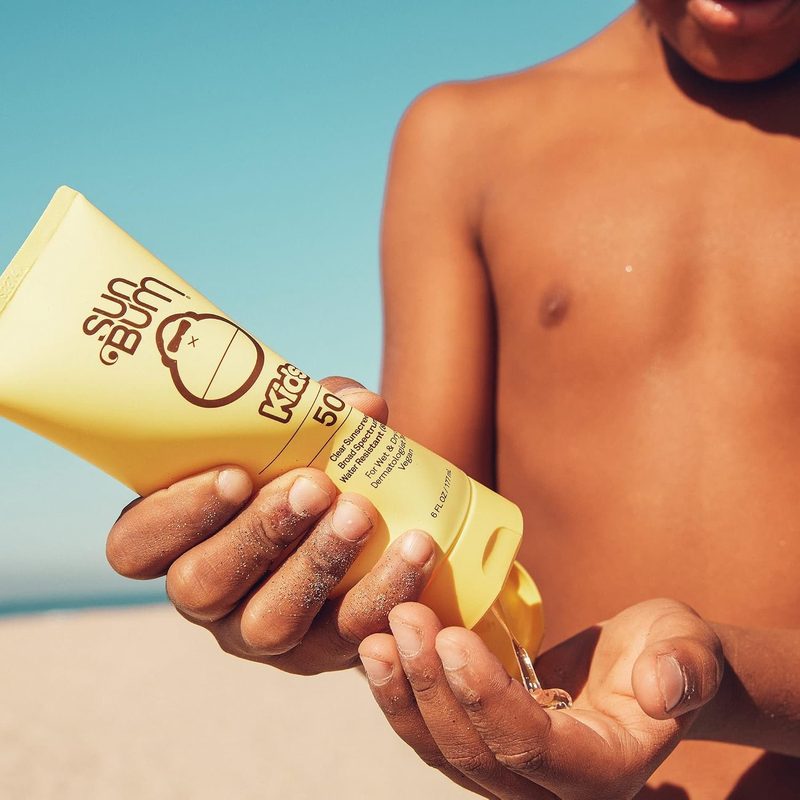
| Product | Sun Bum Baby Bum Mineral SPF 50 |
|---|---|
| Maker | Sun Bum (Baby Bum line) |
| Category | Sun protection |
| Size / format | 3 oz lotion tube (also spray, face stick); for babies/kids. |
| Observed price | $16.49–$17.99 (Swim City $16.49; FSA Store $17.99) |
| Price source / date | Swim City / FSA Store · 2026-09-22 |
| Price confidence | indexed |
| Recall status | No exact-model recall found in consulted sources for window 2023-09-22 to 2026-09-22. CPSC database not directly queryable via available tools — status is unchecked, never cleared. |
Baby Bum is the mineral sunscreen for parents who hate mineral sunscreen — 4.7 stars from 7,021 Amazon ratings, and the praise centers on texture: lightweight, non-greasy, blends in easily, doesn't leave you feeling like a glazed donut. In a category where the standard complaint is "thick white paste," that's a genuine achievement. But there's an asterisk worth knowing, because the marketing says "100% mineral" and the ingredient list tells a slightly longer story.
What's genuinely good: the feel. This is the easiest-blending mineral baby sunscreen in the batch — coconut oil, shea butter, and cocoa butter in the base make it apply like a lotion rather than a spackle, and owners confirm the non-oily finish. The protection is real: 20% zinc oxide, broad spectrum, 80-minute water resistance. The free-from list is long and meaningful: fragrance-free, paraben-free, silicone-free, phthalate-free, no oxybenzone or octinoxate (Hawaii Act 104 compliant), vegan, cruelty-free. Pediatrician and dermatologist tested. It's FSA/HSA eligible, which is a nice practical touch. And the 3-oz tube is the travel size done right — carry-on friendly, with spray and face-stick siblings for the full kit.
The honest caveats. First, the "100% mineral" claim: the UV filters are 100% mineral (zinc oxide 20% in the lotion), but the inactive ingredients include butyloctyl salicylate — a synthetic compound used as a UV booster and solvent. It's not a UV filter itself, but it means the formula isn't the elemental-purity story the front label implies. If "100% mineral" is why you're buying it, know what it actually means. (The spray variant is a different formula entirely: zinc 15.7% plus titanium dioxide 3.4%.) Second, white cast: easier-blending doesn't mean cast-free — 20% zinc still shows, especially on deeper skin tones. Third, the price: $16.49–$17.99 for 3 oz is mid-premium; Blue Lizard gives you similar protection for ~$12. Fourth, coconut oil in the base is a comedogenic flag for acne-prone older kids, though for babies it's fine.
The social pulse: Baby Bum rides the Sun Bum brand's beach-culture goodwill — the fun packaging, the "Trust the Bum" voice, the surf-shop distribution. It's the mineral sunscreen people buy when they want the clean label without the crunchy aesthetic. No formula controversies, no drama — just a popular product with a slightly overstated label.
Value call: $16.49 at Swim City is fair for the texture quality — you're paying for the blendability, not just the zinc. If texture doesn't matter to you, Blue Lizard at $12 is the rational buy. If your kid fights every sunscreen application, the extra $4 for the one they'll tolerate is the best money in sun care.
Bottom line: the best-feeling mineral baby sunscreen in the batch, with a "100% mineral" label that deserves its asterisk. Buy it for the texture; forgive the marketing.
The texture premium is the entire value proposition, so the purchase test is tactile: if your kid fights sunscreen application, the extra dollars for the blendable formula pay for themselves in the first week. If your kid sits still for anything, save the money. The lotion-versus-spray decision matters more than it looks — the spray is a different formula, with its own tradeoff profile, so don't assume the lotion's reputation transfers. Buy the format you tested. The '100% mineral' asterisk is worth internalizing before purchase rather than discovering after: the UV filters are mineral, but butyloctyl salicylate in the base means the formula isn't the elemental-purity story the front label implies. If that distinction matters to you, it matters before you buy. None of this makes it a bad sunscreen — it's the best-feeling one in the batch — but buy it for the texture you can verify, not the label you can't.